Technology and Realization
Through the implementation of appropriate technology a design can provide unique and compelling experiences for the user. It is through these realized novel experiences that prototypes can capture the intended vision.
Creative Mechanical Engineering
Implementing electronics within a prototype allows designers to create more novel interactions for the user. Even if they are implemented in a “Wizard of Oz” fashion, the goal is to sell concepts to whomever is present within the interaction. Perry the Penguin is a companion that shows three distinct responses based on the interaction with the user. While the prototype may not have any inherent purpose, it does attempt to demonstrate an emotional response through a combination of wing flapping and basic movement. While this is an earlier project, and does not reflect the full extent of complexity I am able to achieve, it does show my ability to fully integrate a functioning circuit into a prototype in order to create a unique interaction.
Interaction showcase of Perry the Penguin
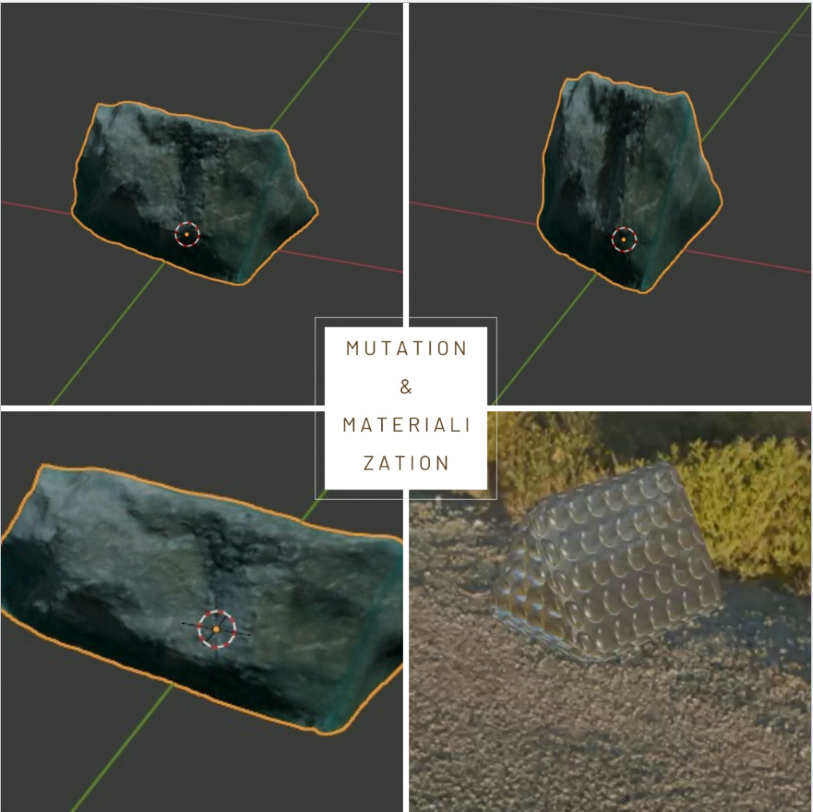
Collection of stills of the animated Digital Twin
Design for Sensorial Form
Digital twins can be used as a way to simulate, analyze, and evaluate the capabilities of a product. It provides flexibility in a way that the physical counterpart may not offer, therefore it becomes a useful approach to understand. The idea was to create an object which embodies the word ‘engaging’ using only two materials, namely bubble wrap and paper. The process of making the digital twin, while simple, served as an entryway to this design method. Firstly we scanned the object using Luma AI, which would give us a full three dimensional render. Then this was exported into Blender, where a simple animation was devised in order to achieve the same feeling within a digital world. Finally, using 8th Wall the digital twin could be experienced through AR allowing us to experiment with distinct contexts. This project shows my capabilities of applying different technological approaches, and using them to their full advantage.
Design for Actuated Systems
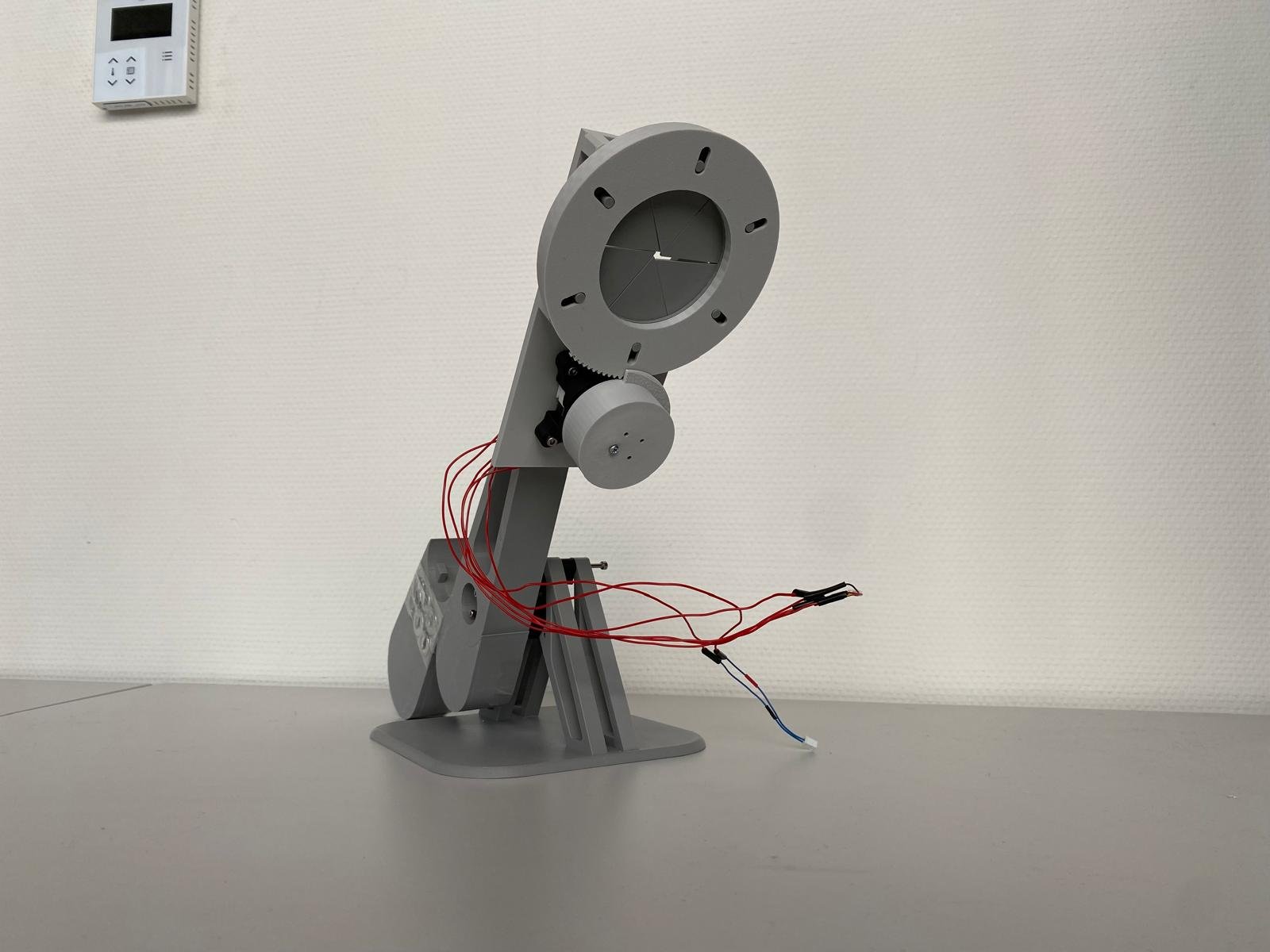
This expertise area does not only cover digital spaces, but also shows mastery of working alongside different pieces of technology in order to get a specific output. For example, in the course “Design for Actuated Systems” a design had to be constructed that fulfilled a variety of requirements, from having multiple actuators to include at least two different force translations. The idea was to develop a light which would mimic human movement, by moving up and down with one's arm, plus being able to adjust the intensity of light with a pinching or flicking motion. To make this prototype, specific measurement and casings for the motors needed to be made, therefore 3D printing was selected as it offered a detailed production of parts while not fully limiting the vision of the project. This project shows my ability to select appropriate prototype manufacturing methods, and use the adequate technology to develop them.
Realized lamp that mimic human motion.