Business and Entrepreneurship
Understanding the particularities of how a current day business is run, and identifying the gaps where innovation is possible, serve as useful skills as a designer. Furthermore, to fully realize a design, is to place it on the market and understand the steps required to do so.
Logo redesign for brand making the shift from physical to digital, made by Kento Suzuki
Intro to Business Design
Part of this expertise area is not only understanding how a business would look for personal designs, but also analyzing current models and approaches in order to gain a better understanding of the field. Through this analysis, the group took the perspective of different companies, placing them through a theoretical “physical to digital” shift in and presented possible options to how this could be achieved. It helped identify the core attributes of each business, especially as those needed to be translated into a new product or model. What this project highlights is my ability to understand current day business infrastructures to the extent of which I am capable of proposing changes that fit within their company identity.
Design Innovation Methods
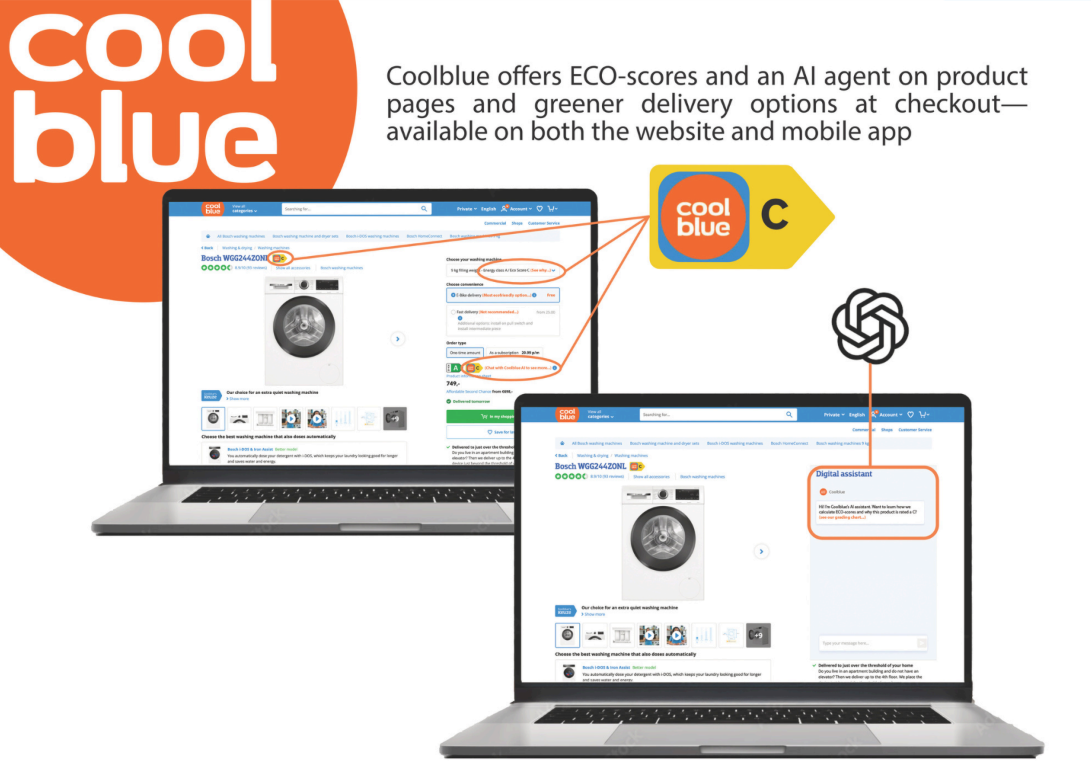
Similarly “Design Innovation Methods” put the focus on one company currently operating in the Netherlands, in this case Coolblue, in order to apply current frameworks of analysis to propose a value proposition. The proposal offered was aimed to make Coolblue more sustainable as it would be a unique value that could be enhanced within the current market. This would include the implementation of a ECO-score on their website, which would take the pre to post use carbon footprint of each product in order to determine how sustainable they are. This would inform users in a simple and clear manner of what is actually put into these devices, by showing their impact on the climate. This approach, similar to the previous example, shows my ability to propose solutions while taking the company's values into consideration in a more specific example. Furthermore, it demonstrates my fluency with the multiple canvas frameworks used within the space.
Proposed ECO-score mock up made by Neel Spinoy
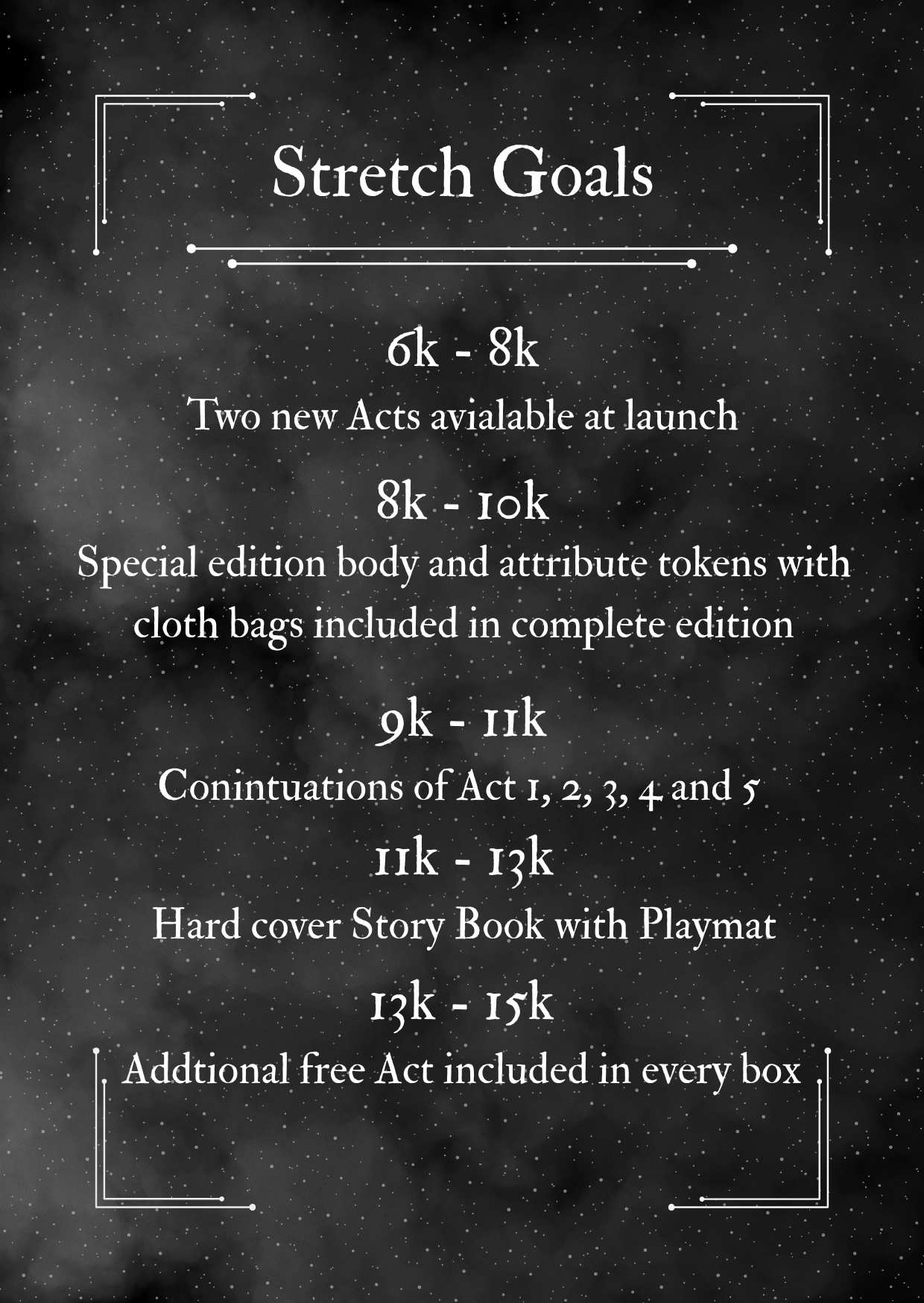
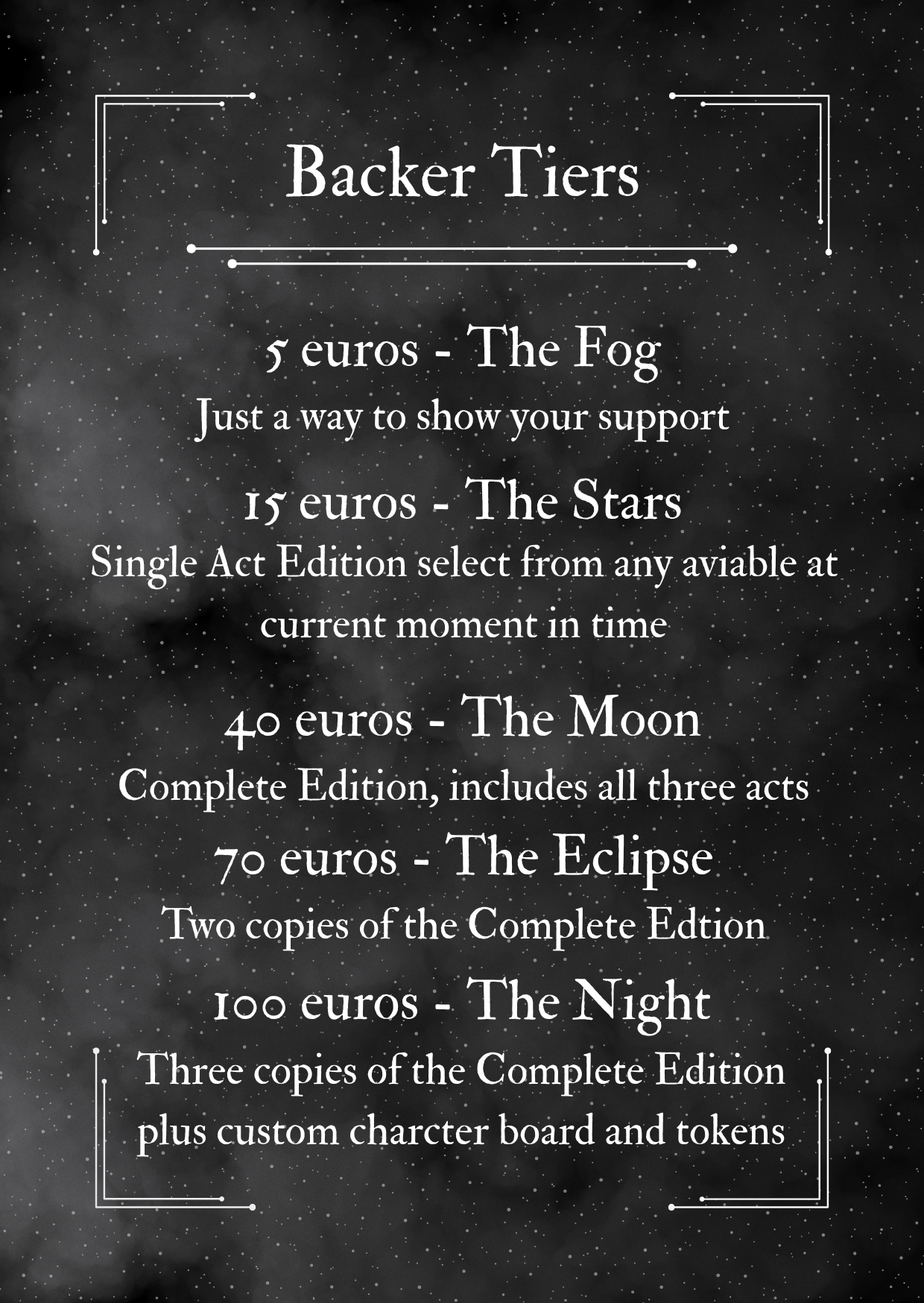
Theoretical Stretch Goals and Backer Tiers for the campaign
FBP: Unravel
Applying the knowledge gained in a more concrete manner, Unravel takes the opportunity to propose how a launch of the project may look like. In order to inform this proposal, an interview was conducted with an indie table top role playing game maker known as the Bogfolk Collective. The conversation covered not only how their unique business structure of an Ad-hoc co-op and how it was implemented within the collective, but also addressed the difficulty of being able to express an artistic expression. This led me to the idea of proposing a small scale crowdfunding campaign through Kickstarter, alongside possible future plans based on the success. What this project shows best is my ability to propose a path of realization, in a business sense, and identify the steps necessary in order to achieve a marketable product.