Creativity and Aesthetics
At the core of many designs, creativity and aesthetics plays pivotal roles. This is because the designs need to be presentable and understandable so that it can communicate its ideas clearly, alongside showing a level of professionalism in preparation for a full on implementation or release. Furthermore, it is only through innovative solutions that designers can push solutions further than what was previously believed.
CBL Project 2
Aesthetics are not only a way to give a certain design a visual identity, but also a vital part of communicating the values and vision the creation was built off of. Designers are constantly challenged with translating concepts through different modalities in order to effectively portray the intended message to the user. Pamora, is an example of this as it essentially tries to communicate the importance of taking breaks through a study companion. By relying on simple non intrusive cues that attempt to intrinsically motivate the individual, Pamora can be present within a studious environment and support students. While visually it may not have the clearest connection, this shows my capabilities of creating a design that informs the user of the intended values of the designer.
Demo day poster of Pamora.

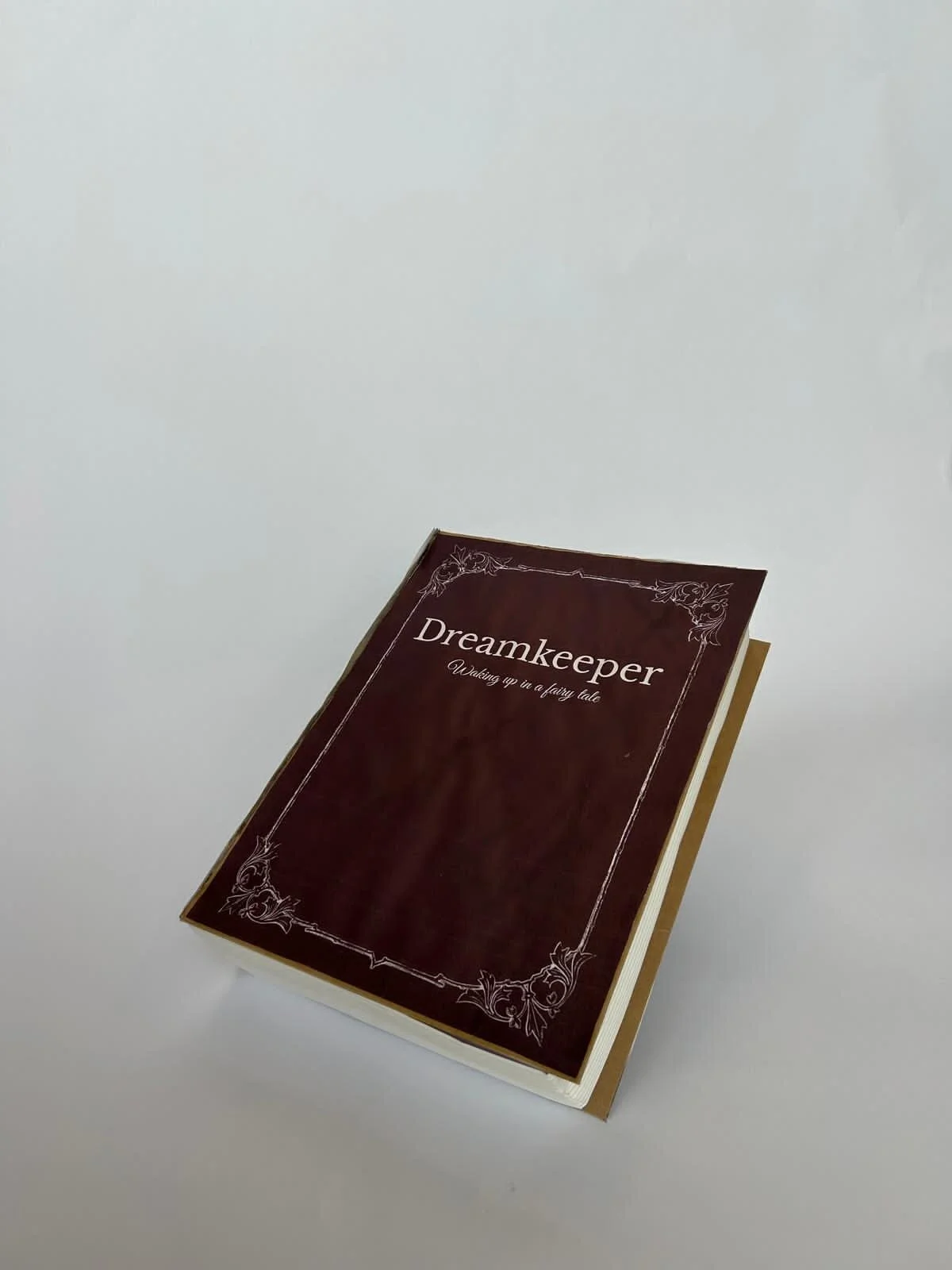
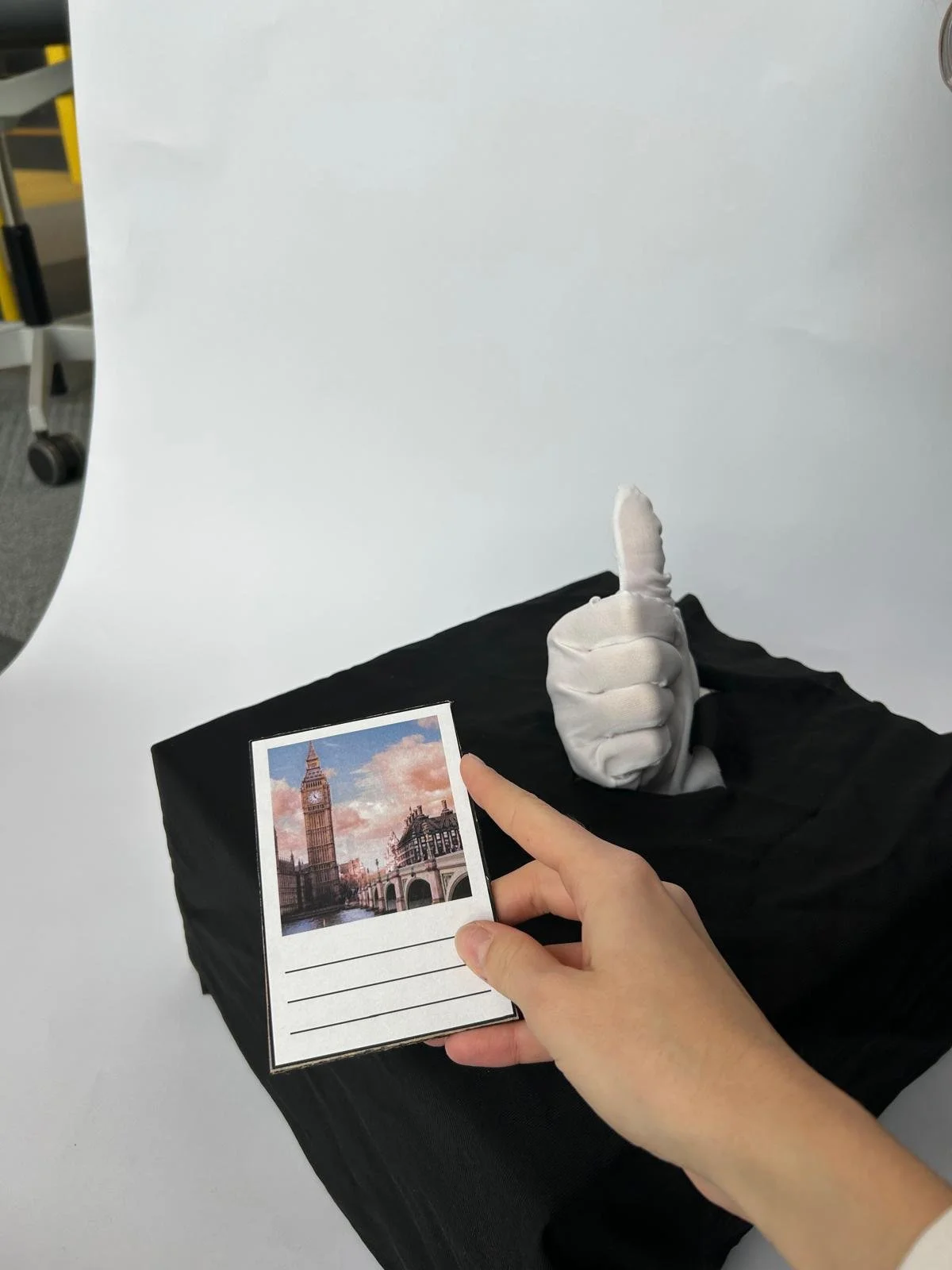
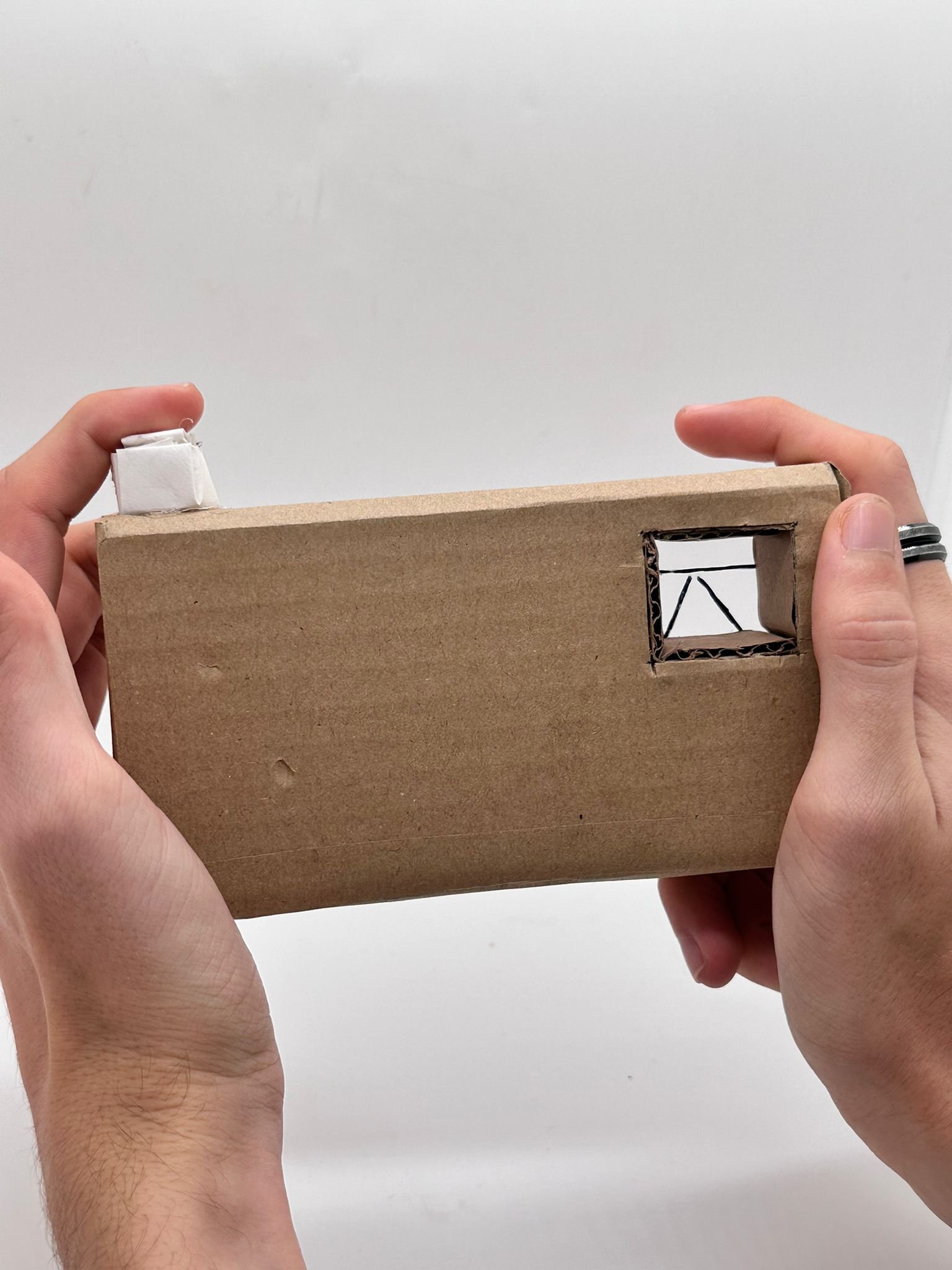
The three iterations created throughout the process that lead to Reframe.
Aesthetics of Interaction
The design cycle is one that pushes the narrative on innovation, when it is full of creative and novel explorations. Generally in this expertise area, there tends to be a focus on the final outcome, and highlight the quality of the final result. For this project, the process is truly what demonstrates pushing of boundaries necessary for innovation. Through three iterations, the concept of “a wake up experience” was truly tested, all of which was summarized within the final result of Reframe. Starting from physically waking up to prior memories, to opening one's perspective to the beauty of their surroundings, this project highlights multiple fascists of the creative approach. Therefore it shows my ability to “think outside of the box” while maintaining a core project identity.
Exploratory Making
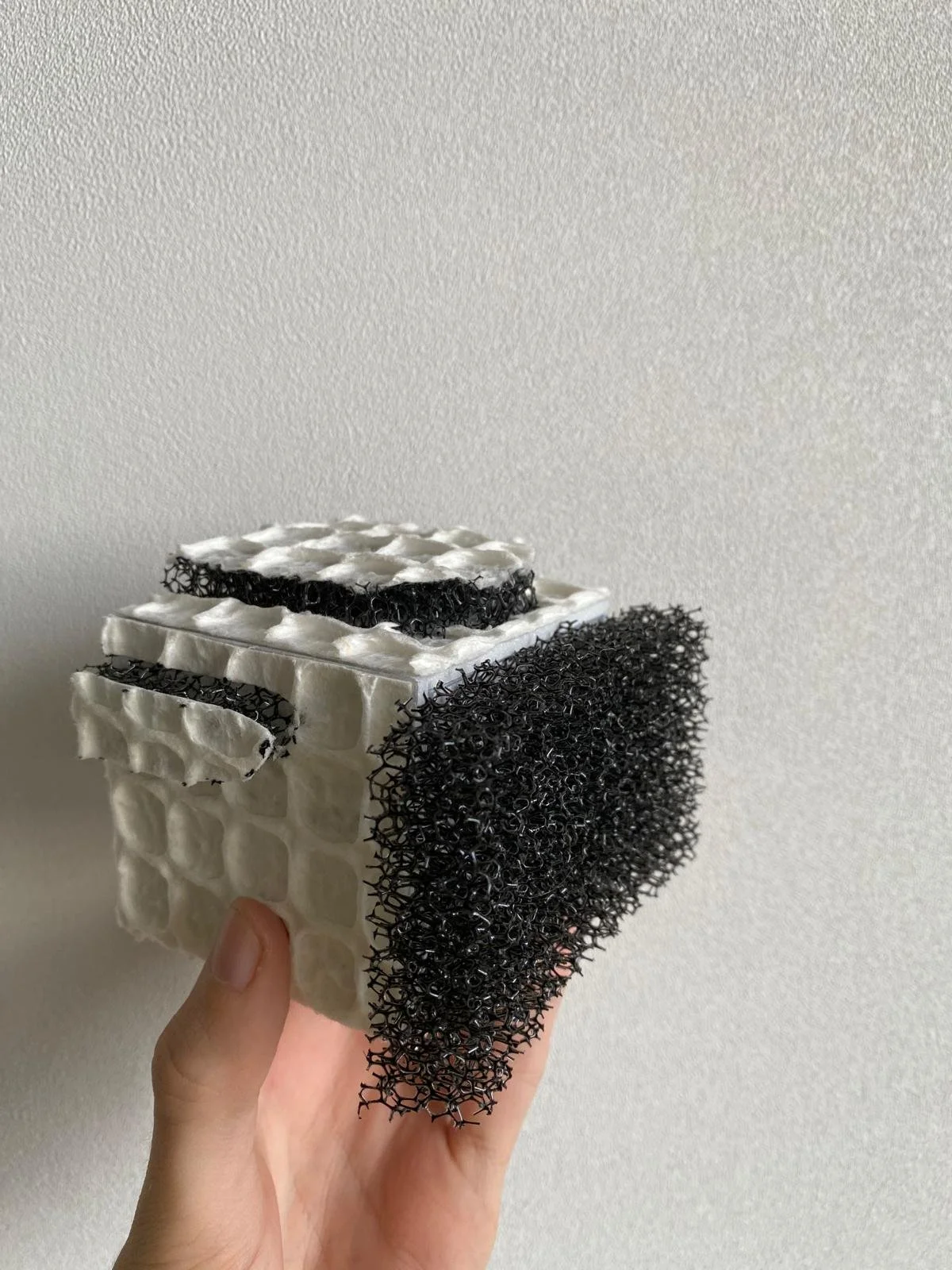
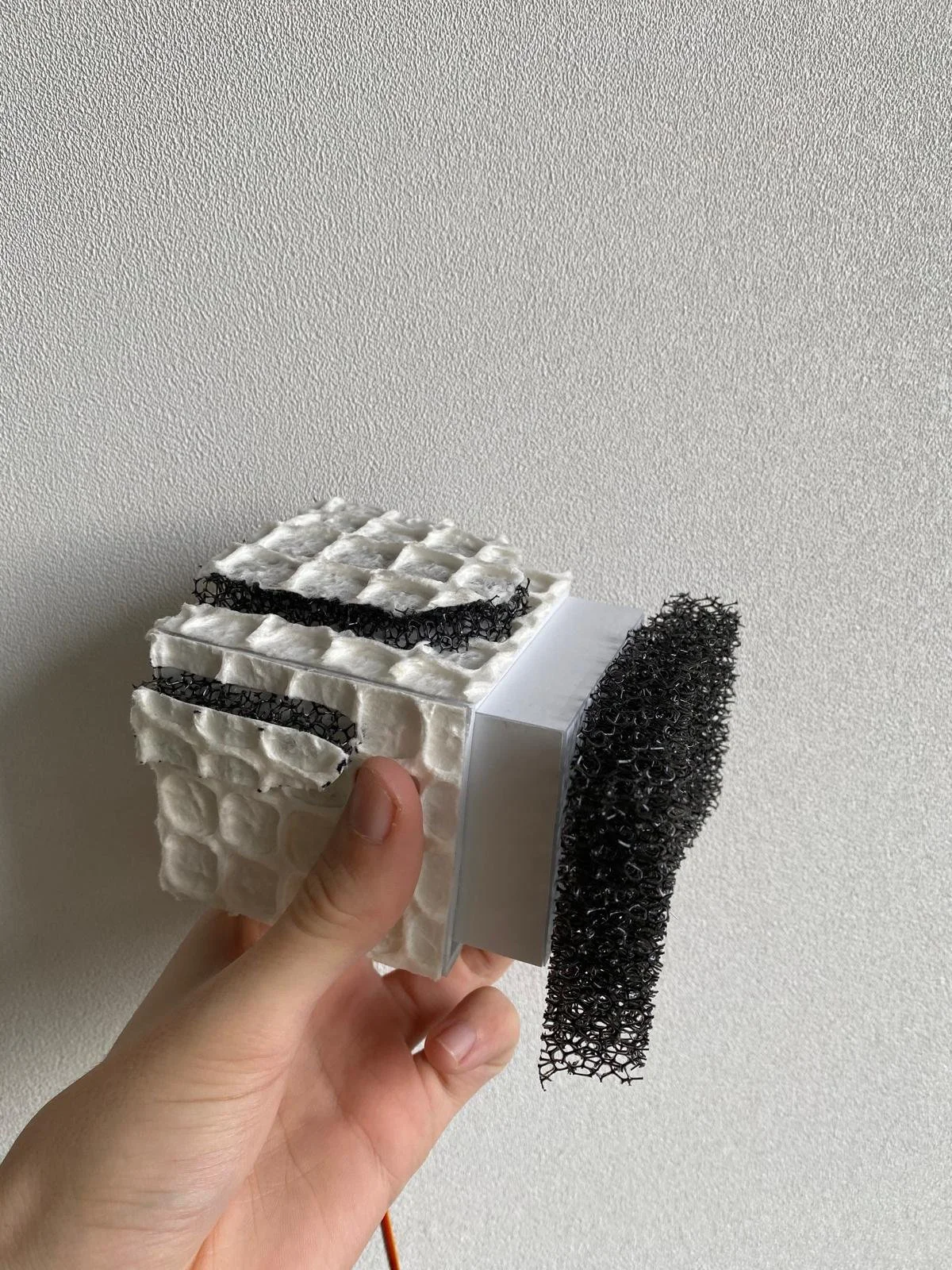
On the other hand, sometimes innovation can only occur through creation, which in it of itself will forge its own path. For example, working alongside the material and using it as a back board, different exploration methods can flourish that will lead to unique results. In the course “Exploratory Making”, this process is more than evident, starting from building geometric shapes out of foam board, which eventually lead to a speculative noticing tool that tries to explore the nuance of physical depth. It was only through this back and forth with the material that tangible depth was brought to the forefront of the resultant design, which now serves as its core identity. What the project especially shows is my skill to be open to new approaches, and willingness to trust the work that I am capable of doing as a source of inspiration.
Resultant noticing tool made by working alongside materials.